
Native Plant List – North Carolina and South Carolina
Last updated: September 5, 2026

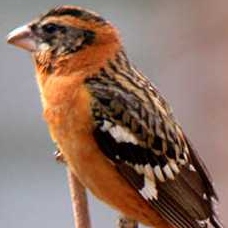

This is a "starter" list of native plants for North Carolina and South Carolina. It is intended for residential or commercial landscapers who want to create attractive and varied native landscapes.
See Also:
-
South Carolina Native Plants for Landscaping with Pictures
North Carolina Native Flowering Shrubs for Your Garden
North Carolina and South Carolina Trees
| Common Name | Scientific Name | Sun | Moisture | Height | Comments |
|---|---|---|---|---|---|
| Fraser Fir | Abies fraseri | F-P | A | 30-50 ft | High-elevation conifer; needs cool, moist climate |
| Black maple | Acer nigrum | F-P | A | 60-80 ft | Like Sugar Maple but tolerates alkaline, clay soils |
| Striped Maple | Acer pensylvanicum | P-S | A-W | 16-33 ft | Shade-loving understory tree; striped bark, sex-changing flowers |
| Red Maple | Acer rubrum | F | W-D | 50–75 ft | Buds and young twigs are red/green fall color |
| Sugar Maple | Acer saccharum | F-P | A | 50–75 ft | Excellent fall color; beautiful large shade tree |
| Yellow Buckeye | Aesculus flava | P-S | A | 50–75 ft | Erect clusters of yellow flowers in spring; org. fall color |
| Serviceberry | Amelanchier arborea | F-P | A-D | 15–25 ft | Yellow/orange./red fall color; white flowers in April |
| Devil's Walkingstick | Aralia spinosa | F-P | A-D | 10–20 ft | Thorny; 3-4" clusters of wht flowers in sum.; birds like berries |
| Paw Paw | Asimina triloba | P-S | A | 40 ft | Unique fruit resembles & tastes like banana |
| Yellow Birch | Betula alleghanienses | F-P | A | 60–75 ft | Does best in cool soil; beautiful bark |
| Mountain Paper Birch | Betula cordifolia | F-P | A-W | 40-60 ft | Relative of Paper Birch; white peeling bark; cool, moist, high sites |
| Sweet Birch | Betula lenta | F-P | A | 40–55 ft | Golden-yellow fall color |
| River Birch | Betula nigra | F | A-W | 40–70 ft | Modest yellow fall color; seed attracts birds |
| American Hornbeam | Carpinus caroliniana | P-S | W-A | 20–30 ft | Good street tree; yellow/orange/scarlet fall color |
| Water Hickory | Carya aquatica | F-P | W-A | 60-100 ft | Bottomland tree of flooded clay flats and sloughs; bitter inedible nut |
| Bitternut Hickory | Carya cordiformis | F-P | A | 50–70 ft | Striking yellow buds; pinnately compound leaves |
| Pignut Hickory | Carya glabra | F-S | D | 50–60 ft | Golden-yellow fall color; rapid growth rate |
| Mockernut Hickory | Carya tomentosa | F-P | A-D | 50-80 ft | Slow-growing; thick-shelled nuts; very dry-tolerant on uplands |
| American Chestnut | Castanea dentata | F-P | A | 60–100 ft | Chestnut blight-susceptible; mostly stump sprouts now |
| Chinquapin | Castanea pumila | F-S | A | 20–25 ft | Slender spikes of strongly scented staminate flowers |
| Eastern Redbud | Cercis canadensis | F-S | A-D | 20–30 ft | Clusters of rosy/pink flowers (Apr); flowers line branches/trunk |
| Fringetree | Chionanthus virginicus | F-P | A | 12–20 ft | Wispy, creamy wht. fragrant flowers in May |
| Yellowwood | Cladrastis kentuckea | F-P | A | 30–50 ft | Clusters of fragrant/wht pea-type flowers (spr); yllw. fall color |
| Pagoda Dogwood | Cornus alternifolia | P-S | W-D | 15–25 ft | Clusters of wht. flowers (late sum.); Black berries, fall follage |
| Flowering Dogwood | Cornus florida | F-S | D-A | 25–30 ft | Wht. flowers in spring turn into bird-attracting berries |
| Stiff Dogwood | Cornus foemina | F-P | A-W | 10–25 ft | Wetland shrub; white spring flowers, blue fall berries |
| Washington Hawthorn | Crataegus phaenopyrum | F-P | A | 25–30 ft | Wht. spring flowers; red fall berries; orange/scarlet fall color |
| Dotted Hawthorn | Crataegus punctata | F-P | A | 15–30 ft | Thorny, flat-topped crown; red fruit persists, feeds birds in winter |
| Fleshy Hawthorn | Crataegus succulenta | F-P | A-W | 13-26 ft | Most wide-ranging US hawthorn; thorny thicket shrub, red fleshy fruit |
| Green hawthorn | Crataegus viridis | F-P | A-W | 20-35 ft | Small tree, white spring flowers, red fruit holds into winter |
| Persimmon | Diospyros virginiana | F-P | D-A | 30–50 ft | Yellow/orange/mauve color; butterfly larval plant |
| Beech | Fagus grandifolia | F-P | A | 85 ft or more | Nuts in fall attract birds/mammals/humans |
| Loblolly Bay | Gordonia lasianthus | F-P | W | 40-60 ft | Evergreen wetland tree; needs constant moisture, acidic soil |
| Carolina Silverbell | Halesia carolina | F-S | A | 30 ft | Drooping large white bell-shaped flowers in early spring |
| Common Witch-hazel | Hamamelis virginiana | F-S | A | 15–30 ft | 1" fragrant, creamy to bright yellow flowers in fall |
| American Holly | Ilex opaca | F-S | A-D | 20–40 ft | To ensure fruit, one male is needed per 2-3 females |
| Butternut | Juglans cinerea | F | A | 40-60 ft | Edible nuts; declining from butternut canker disease |
| Red Cedar | Juniperus virginiana | F-P | A-D | 40–50 ft | Offers nesting and cover to birds |
| Tulip Tree | Liriodendron tulipifera | F | A | 70–90 ft | Large tulip-like flowers are yellow/grn./org. in May-June |
| Cucumber Tree | Magnolia acuminata | P-S | A | 50–75 ft | Yellow/grn. magnolia-type flowers (spr); pink/red fuit in fall |
| Fraser Magnolia | Magnolia fraseri | P-S | A | 30–50 ft | Huge fragrant flowers; rose-pink fruit; needs moist cove soil |
| Bigleaf Magnolia | Magnolia macrophylla | P-F | A-W | 30-40 ft | Largest native leaf & flower; needs shelter from wind, rich moist soil |
| Umbrella Tree | Magnolia tripetala | F-P | A | 15–40 ft | 6-8" wht. flowers spring w/unpleasant odor; red fruit in fall |
| Sweet Crabapple | Malus coronaria | F-P | A | 15-30 ft | Fragrant pink spring blooms; sour fruit feeds birds; forms thickets |
| Water Tupelo | Nyssa aquatica | F-P | W | 80–100 ft | Swamp tree with buttressed base; source of tupelo honey |
| Black Tupelo | Nyssa sylvatica | F | A-D | 30–60 ft | Scarlet-red fall color |
| Hop-hornbeam | Ostrya virginiana | P-S | A | 30–60 ft | Scarlet red autumn color |
| Sourwood | Oxydendrum arboreum | F-S | A-D | 20–30 ft | Fragrant flowers in spring; yellow/pink/red in fall |
| Red Spruce | Picea rubens | F-P | A | 60–70 ft | Evergreen; 2" green/purple cones mature to red/brown |
| Slash Pine | Pinus elliottii | F | A-W | 60-80 ft | Fast-growing wet-flatwoods pine; tolerates seasonal standing water |
| Table Mountain Pine | Pinus pungens | F | D | 20-40 ft | Rocky ridgetops only; spiny serotinous cones; fire-adapted |
| Pitch Pine | Pinus rigida | F | D-A | 40–60 ft | Fire-adapted conifer for sandy, rocky, or barren infertile sites |
| Pond Pine | Pinus serotina | F | W-A | 40-70 ft | Wet, acidic soil; fire-adapted; crooked form; coastal plain NJ-AL |
| Sycamore | Platanus occidentalis | F-P | A-W | 70–90 ft | leaves drop all summer; white molted bark |
| American Plum | Prunus americana | F-P | W-D | 12–20 ft | White fragrant flowers in spring; 1" red/yellow fruit in summer |
| Chickasaw Plum | Prunus angustifolia | F-P | A-D | 6–25 ft | Thorny thicket-forming plum; early white bloom, red-orange fruit |
| Pin Cherry | Prunus pensylvanica | F-P | W-D | 25–40 ft | Leaves poisonous to livestock; fruit attracts birds |
| Black Cherry | Prunus serotina | F-P | D | 50–80 ft | Messy tree; small edible berries in sum. attract birds |
| Hoptree | Ptelea trifoliata | F-S | A | 15–20 ft | Small, white fragrant flowers; yellow/green fall color |
| White Oak | Quercus alba | F-P | D | 60–90 ft | Brown/red/ bright red fall color; grows rapidly |
| Chapman Oak | Quercus chapmanii | F-P | A-D | 6-25 ft, usually under 15 ft in scrub | Florida scrub oak; deep sand; key scrub-jay & tortoise habitat |
| Sand Live Oak | Quercus geminata | F | A-D | 20–40 ft | Scrubby evergreen oak for dry sand; scrub-jay habitat plant |
| Darlington Oak | Quercus hemisphaerica | F | D-A | 60-80 ft | Fast, semi-evergreen; sandy soil; avoid spring pruning (oak wilt) |
| Shingle Oak | Quercus imbricaria | F | A-W | 50-65 ft | Willow-like unlobed leaves; tolerates clay/wet soil; avoid spring cuts |
| Bluejack Oak | Quercus incana | F | D | 30-50 ft | Slow-growing sandhill tree for deep, dry sand only |
| Turkey Oak | Quercus laevis | F | D | 20-30 ft | Deep dry sand only; sandhill/scrub specialist, poor in garden soil |
| Overcup Oak | Quercus lyrata | F | A-W | 40-60 ft | Bottomland tree; flood-tolerant; acorn cup encloses most of nut |
| Blackjack Oak | Quercus marilandica | F | A-D | 20–50 ft | Tolerates poor, dry, rocky soil; very slow-growing |
| Chinkapin Oak | Quercus muehlenbergii | F-P | A-D | 40-60 ft | Limestone-loving shade tree; sweet low-tannin acorns feed wildlife |
| Water Oak | Quercus nigra | F-P | A-W | 50–80 ft | Fast-growing oak; weak wood, short-lived; heavy acorn producer |
| Oglethorpe Oak | Quercus oglethorpensis | F-P | A-W | 60-80 ft | IUCN Endangered; wet clay only; nursery-propagated stock only |
| Red Oak | Quercus rubra | F-P | D-A | 60–75 ft | Russett red to bright red fall color; grows rapidly |
| Swamp Post Oak | Quercus similis | F | W-A | 50-80 ft | Bottomland oak for wet, calcareous soils; slow-growing, long-lived |
| Post Oak | Quercus stellata | F-P | D | 40–50 ft | Variable fall color; non-showy to golden-brown |
| Black Locust | Robinia pseudoacacia | F-P | A-D | 30–50 ft | Fast nitrogen-fixer; suckers freely; toxic parts; Appalachian/Ozark |
| Cabbage Palm | Sabal palmetto | F-P | A-D | 40–60 ft | Slow-growing coastal palm; salt, wind and drought tolerant |
| Coastal Plain Willow | Salix caroliniana | F-P | W | 15–30 ft | Fast wet-site tree for streambanks and pond edges; not for dry soil |
| Common Sassafras | Sassafras albidum | F-P | D-A | 30–60 ft | Yellow flowers (Apr); clear yellow/orange/pink/scarlet fall color |
| Gum Bumelia | Sideroxylon lanuginosum | F-P | A-D | 20-40 ft | Tough, soil-adaptable shade tree; fragrant late-summer bloom; spiny |
| Mountain Camellia | Stewartia ovata | P-S | A-W | 10–20 ft | Rare Appalachian understory tree; large white summer flowers, shade |
| American Linden | Tilia americana | F-S | A | 60–80 ft | Clusters of creamy yellow fragrant flowers in early |
| Canadian Hemlock | Tsuga canadensis | F-S | A | 40–60 ft | When grown in sun this evergreen requires consistent watering |
| Carolina Hemlock | Tsuga caroliniana | F-S | A | 30–70 ft | Good screen for cool, shady areas |
| Slippery Elm | Ulmus rubra | F-P | A | 40-60 ft | Fast shade tree; mucilaginous inner bark; some Dutch elm disease risk |
| Blackhaw Viburnum | Viburnum rufidulum | F-S | D-A | 10–15 ft | Showy clusters of wht. flowers that leap out from follage |
North Carolina and South Carolina Shrubs
| Common Name | Scientific Name | Sun | Moisture | Height | Comments |
|---|---|---|---|---|---|
| Tag Alder | Alnus serrulata | F-P | W | 40 ft | Can fix nitrogen |
| Roundleaf Serviceberry | Amelanchier sanguinea | F-P | A-D | 4-10 ft | Thicket-forming shrub for dry, sandy or rocky soil; sweet edible fruit |
| Climbing Aster | Ampelaster carolinianus | F-P | A-W | 4-12 ft | Scrambling shrub; fall lavender blooms; wants moisture, support |
| Red Chokeberry | Aronia arbutifolia | F-P | W-A | 6–11 ft | Red berries load shrub & are eaten by mammals and birds |
| Black Chokeberry | Aronia melanocarpa | F-P | D-W | 3–5 ft | Dependable showy orange, burgundy & purple fall color |
| Sea Oxeye Daisy | Borrichia frutescens | F | W-A | 1–3 ft | Salt-marsh subshrub; tolerant of tidal flooding and salt spray |
| Sweetshrub | Calycanthus floridus | P-S | A | 6–10 ft | Interesting brown blooms Apr-July |
| New Jersey Tea | Ceanothus americanus | F-P | D | 36 in | Short spikes of tiny white flowers in June |
| Leatherleaf | Chamaedaphne calyculata | F-P | W | 1-3 ft | Evergreen bog shrub; acidic, saturated soil; early white flowers |
| Cinnamonbark | Clethra acuminata | F-P | A | 8–15 ft | Twisted racines of white lily-of-the-valley like fragrant flowers |
| Sweetfern | Comptonia peregrina | F-P | A-D | 2–4 ft | Lacy serrated foliage which is pleasantly aromatic |
| Silky Dogwood | Cornus amomum | F-S | A-W | 6–10 ft | Creamy white flowers May-Jun; no fall color |
| Hazelnut | Corylus americana | F-S | A | 12–15 ft | Edible nuts; suckering |
| Swamp Loosestrife | Decodon verticillatus | F-P | W | 3-8 ft | Wetland shrub for pond margins; tolerates standing water |
| Northern Bush Honeysuckle | Diervilla lonicera | F-P | A-D | 2-4 ft | Suckering shrub for dry rocky sites; yellow flowers age red |
| Bush-honeysuckle | Diervilla sessilifolia | F-S | A | 4–6 ft | Small yellow flowers on tips of new growth all summer |
| Trailing Arbutus | Epigaea repens | P-S | A | 4-6 in | Fragrant evergreen groundcover; acidic soil; never dig from wild |
| Coralbean | Erythrina herbacea | F-P | D-A | 3-10 ft | Scarlet spring flowers before leaves; toxic seeds; thorny stems |
| Hearts-a-bustin | Euonymus americanus | P-S | A | 4–6 ft | Purplish flowers in May; Red seed pods in Sept, attracts birds |
| Swamp Privet | Forestiera acuminata | F-P | W-A | 10-20 ft | Wetland shrub; tolerates standing water; blooms before leaves |
| Large Fothergilla | Fotherfilla major | F-P | A | 6–10 ft | Showy, fragrant flowers in spring; spectacular fall leaves |
| Dwarf Fothergilla | Fothergilla gardenii | F-P | A-W | 2-3 ft | Fragrant spring blooms; brilliant fall color; needs moist acidic soil |
| Swamp Jessamine | Gelsemium rankinii | P-S | W-A | 10-20 ft climbing vine | Toxic wetland vine; unscented flowers, needs wet acidic soil |
| Snowhill Hydrangea | Hydrangea arborescens | P-S | A | 4–6 ft | Large clusters of flat, creamy white flowers Jun-Jul |
| Dense Hypericum | Hypericum densiflorum | F-P | W-D | 4–6 ft | Golden yellow 1" flowers in late spring |
| Shrubby St.John's Wort | Hypericum prolificum | F-P | A | 1–5 ft | Showy 1" yellow flowers bloom Jun-Sept |
| Longstalk Holly | Ilex collina | P-F | W-A | 6-13 ft | Rare deciduous bog holly, long red fruit stalks; needs wet acidic soil |
| Mountain Winterberry | Ilex montana | F-P | A | 15–40 ft | Red berries on female plants |
| Common Winterberry | Ilex verticillata | F-S | A-W | 6–15 ft | Red berries on female plants persist into winter & attract birds |
| Virginia sweetspire | Itea virginica | F-S | W | 3–6 ft | Spectacular long lasting yellow, orange, crimson fall color |
| Mountain Laurel | Kalmia latifolia | F-P | A | 8–10 ft | Pink, red, or white flowers in late spring |
| Drooping leucothoe | Leucothoe fontanesiana | P-S | A | 3–5 ft | Lance-shaped leaves on slender stems. few branches |
| Gopher Apple | Licania michauxii | F-P | D | 6-12 in | Spreading groundcover; favorite food of gopher tortoise |
| Spicebush | Lindera benzoin | P-S | A | 6–12 ft | Yellow spicily fragrant flowers in late winter; red fruit in fall |
| Staggerbush | Lyonia mariana | F-P | A-D | 2-6 ft | Needs dry, sandy, acidic soil; avoid clay and lime |
| Turk's Cap | Malvaviscus arboreus var. drummondii | P-S | A | 2–6 ft | Shade-tolerant; red hummingbird flowers; dies back in freeze |
| Mock Orange | Philadelphus inodorus | F-P | W | 10–12 ft | White fragrant blooms smell like orange blossoms |
| Mountain Fetterbush | Pieris floribunda | P-S | A | 3-6 ft | Toxic evergreen; smooth leaves, upright flowers unlike Jap. Pieris |
| Bear Oak | Quercus ilicifolia | F | D | 6-15 ft | Thicket-forming shrub oak; dry sandy/rocky barrens only |
| Needle Palm | Rhapidophyllum hystrix | P-S | A | 3–6 ft | Cold-hardy native shrub palm; sharp needles at base; shade |
| Flame Azalea | Rhodod. calendulaceum | P-S | A | 4–8 ft | Yellow, orange, scarlet flowers in late spring |
| Carolina Rhododendron | Rhodod. carolinianum | P-S | A | 3–5 ft | Light to dark pink flowers mid-May; evergreen |
| Pinxter Azalea | Rhodod. periclymenoides | P-S | A | 6–10 ft | Variable flower color - often pink flowers before leaves emerge |
| Sweet Azalea | Rhododend. arborescens | F-S | A | 3–6 ft | Fragrant white to pink flowers, red stamen in early summer |
| Rosebay Rhododendron | Rhododend. maximum | P-S | A-W | 15–40 ft | Huge clusters of white to deep pink flowers with yellow spots |
| Mountain Rosebay | Rhododendron catawbiense | F-S | A | 6–10 ft | 5-6" unbel of lilac-purple to pale pink flowers mid-spring |
| Oconee Azalea | Rhododendron flammeum | F-P | A-D | 4-8 ft | Toxic flame-orange azalea; dry woods, deer-resistant |
| Pinkshell Azalea | Rhododendron vaseyi | F-P | A-W | 5–10 ft | Pink/white flowers with orange freckles emerge before leaves |
| Smooth Sumac | Rhus glabra | F-P | D-A | 9–15 ft | Velvety red fruit on female plants that persist into winter |
| Carolina Rose | Rosa carolina | F-P | W-D | 3–4 ft | Yellow, orange, red fall color; pink flowers May-July |
| Swamp Rose | Rosa palustris | F-P | A-W | 4–6 ft | Fragrant flowers in summer, red hips in fall |
| Northern Dewberry | Rubus flagellaris | F-P | D-A | 6-12 in (trails 3-8 ft) | Trailing bramble, roots at tips; prickly stems; spreads readily |
| Black Raspberry | Rubus occidentalis | F-P | A | 3-6 ft | Fast-spreading edge bramble; cut spent canes after fruiting |
| Silky Willow | Salix sericea | F-S | W-A | 12 ft | Provides good wildlife habitat |
| Elderberry | Sambucus canadensis | F-S | A-W | 5–12 ft | Showy white flowers in July, edible fruit in Sept |
| Saw Palmetto | Serenoa repens | F-P | A-D | 3-8 ft | Slow-growing evergreen understory palm; sharp saw-toothed petioles |
| Three-Toothed Cinquefoil | Sibbaldiopsis tridentata | F-P | A-D | 2-6 in | Evergreen mat for rocky, lean soil; rare/high-elev only south of VA |
| Coral Berry | Symphoricar. orbiculatus | F-S | A | 2–5 ft | Bell shaped flowers become clusters of large pink berries |
| Poison Sumac | Toxicodendron vernix | F-P | W | 6-30 ft | Severely allergenic wetland shrub; identification only, do not plant |
| Highbush Blueberry | Vaccinium corymbosum | F-P | D-W | 6–12 ft | Excellent fall color; fruit readily eaten by humans & wildlife |
| Cranberry | Vaccinium macrocarpon | F-P | W-A | 4–8 in | Pink bell-shaped flowers in spring; edible fruits |
| Lowbush Blueberry | Vaccinium pallidum | F-P | A-D | 12–16 in | Sets some fruit even in shade; has white/pink flowers |
| Deerberry | Vaccinium stamineum | F-P | A | 10–15 ft | Twisted trunks; bell-shaped flowers; sweet, spicy tasting fruit |
| Rabbiteye Blueberry | Vaccinium virgatum | F-P | A-D | 6-15 ft | Needs acidic soil; plant 2+ for fruit; edible berries, bird favorite |
| Maple-leaf Viburnum | Viburnum acerifolium | F-P | A-D | 6 ft | Pie-shapedclusters of creamy-white flowers; beautiful fall color |
| Hobblebush | Viburnum alnifolium | P-S | A | 6–10 ft | White flowers; red to black berries; yellow/orange/red fall color |
| Witherod Viburnum | Viburnum cassinoides | F-S | A-W | 5–6 ft | White flowers; green, pink, red, blue, & black berries |
| Arrowwood | Viburnum dentatum | F-P | W-A | 6–12 ft | Creamy-white blooms in spring |
| Walter's Viburnum | Viburnum obovatum | F-P | A-W | 6-15 ft | Dense evergreen shrub, white spring flowers, bird-friendly fruit |
| Adam's Needle | Yucca filamentosa | F-P | A-D | 2-3 ft (flower stalk to 8 ft) | Evergreen rosette; curly leaf filaments; tall white flower spike |
North Carolina and South Carolina Herbaceous Perennials
| Common Name | Scientific Name | Sun | Moisture | Height | Comments |
|---|---|---|---|---|---|
| Doll's eyes | Actea pachypoda | P-S | A | 12–24 in | Small white flowers Apr-May; poisonous white berries Aug-Sep |
| White Snakeroot | Ageratina altissima | P-S | A-W | 1-4 ft | Toxic woodland perennial; part shade, moist soil; spreads by rhizome |
| Nodding Wild Onion | Allium cernuum | F-P | A-D | 8–20 in | Dry soil; nodding white-pink summer flowers; deer resistant |
| Blue Star | Amson.tabernaemontana | F-P | A | 24–36 in | Blue showy flowers in May |
| Narrowleaf Bluestar | Amsonia ciliata | F-P | D-A | 1.5-2 ft | Thread-like foliage; blue flowers; gold fall color; deer-proof |
| Wood Anemone | Anemone quinquefolia | P-S | A | 4–8 in | Spring-ephemeral groundcover; toxic sap, disappears by early summer |
| Thimbleweed | Anemone virginiana | S | A | 12–36 in | Lovely large white flowers followed by fluffy seed heads |
| Field Pussytoes | Antennaria neglecta | F-P | D-A | 2–12 in | Drought-tolerant mat-forming groundcover; host plant for American lady |
| Pussy's Toes | Antern. planaginfolia | F | A | 6–12 in | Forms a low mat of little rosettes of white-wooly leaves |
| Mountain Death Camas | Anticlea elegans | F-P | A-D | 1-2.5 ft | HIGHLY TOXIC bulb/foliage; do not confuse with edible Camassia |
| Wild Columbine | Aquilegia canadensis | P-S | A-D | 12–24 in | Unique red & yellow flowers attract hummingbirds |
| Wild Sarsaparilla | Aralia nudicaulis | P-S | A | 1-2 ft | Rhizomatous woodland ground cover; white umbels, dark berries |
| Green Dragon | Arisaema dracontium | P-S | W-A | 12–36 in | Simular to Jack-in-the-pulpit; goes dormant mid-summer |
| Jack-in-the-Pulpit | Arisaema triphyllum | P-S | A | 12 in | Spathe appears Mar-May; red berries late summer, fall |
| Goat's Beard | Aruncus dioicus | F-P | A | 4–7 ft | Feathery plumes of cream-colored flowers rise above foliage |
| Little Brown Jugs | Asarum arifolium (syn. Hexastylis arifolia) | P | A | 4–8 in | Spotty groundcover, heart-shaped leaves, jug-shaped flowers |
| Wild Ginger | Asarum canadense | P-S | A | 6 in | Evergreen groundcover with heart-shaped glossy leaves |
| Butterfly Weed | Asclepias tuberosa | F | D | 12–24 in | Clusters of brilliant orange flowers Jun-Aug |
| White Wood Aster | Aster divaricatus | P-S | A-D | 2–4 ft | Showiest of shade-loving asters; white flowers in late spring |
| False Goats Beard | Astilbe biternata | P | A | 3–6 ft | Fern-like foliage and plume flowers |
| Wild Indigo | Baptisia tinctoria | F | A | 24–36 in | Small yellow flowers July-Aug |
| American Sea Rocket | Cakile edentula | F | D | 6-18 in | Annual beach dune pioneer; salt-tolerant; not native on Pacific coast |
| Creeping Sedge | Carex laxiculmis | P-S | A-D | 0.3–1.5 ft | Evergreen dry-shade sedge; slow clumping groundcover, deer resistant |
| Seersucker Sedge | Carex plantaginea | P-S | A | 8–12 in | Puckered-leaf shade sedge; rich moist soil, slow clump, deer resistant |
| Eastern star sedge | Carex radiata | P-S | A-W | 8–18 in | Fine-leaved woodland sedge; shade; good dry-shade groundcover |
| Fox sedge | Carex vulpinoidea | F-P | A-W | 1–3 ft | Sunny wet meadow sedge; bristly brown spikes; rain gardens, pond edges |
| Blue Cohosh | Cauloph. thalictroides | P-S | A-W | 12–36 in | Green flowers Apr-May; blue poisonous berries |
| Pink turtlehead | Chelone lyonii | F-P | A-W | 2–4 ft | Showy pink flowers July-Sept |
| Rose Turtlehead | Chelone obliqua | F-P | A-W | 2-3 ft | Late-summer hooded pink flowers; bumblebee favorite for moist soil |
| Green-and-Gold | Chrysogonu. virginainum | P-S | A | 8 in | Yellow flowers contrast green foliage in spring & fall |
| Water Hemlock | Cicuta maculata | F-P | W | 3-6 ft | Extremely toxic; wetlands/ditches only, not for gardens |
| Black Cohosh | Cimicifuga racemosa | P-S | A | 12–36 in | Slender candle-like clusters of white slowers in summer & fall |
| White Clintonia | Clintonia umbellulata | P-S | A-W | 6–16 in | Shade woodland groundcover; speckled white flowers, blue-black berries |
| Atlantic Pigeonwings | Clitoria mariana | F-P | D | 1–2 ft | Twining vine; dry sandy/rocky soil; showy upright lavender flowers |
| Mouse-eared Coreopsis | Coreopsis auriculata | F | A | 18 in | Rich yellow flower head spring to frost if dead-headed |
| Large-flowered Coreopsis | Coreopsis grandiflora | F-P | A-D | 1-2 ft | Short-lived perennial, self-seeds readily; lean sandy soil |
| Whorled Tickseed | Coreopsis major | F-P | D-A | 2–4 ft | Whorled leaves, bright yellow summer blooms, pollinator favorite |
| Coreopsis | Coreopsis pubescens | F | A | 3–4 ft | Bright golden yellow flowers all summer |
| Pink Tickseed | Coreopsis rosea | F-P | W-A | 8–20 in | Rare pondshore native; wet sandy soil only; never wild-collect |
| Threadleaf Coreopsis | Coreopsis verticillata | F-P | A-D | 1-3 ft | Fine thread-like foliage; long summer bloom; spreads by rhizomes |
| American Dittany | Cunila origanoides | F-P | A-D | 8-18 in | Fragrant, late-blooming; needs lean rocky soil, not rich beds |
| Carolina Larkspur | Delphinium carolinianum | F-P | A-D | 1-3 ft | Toxic to livestock & pets; blue flowers; dry, sharp drainage |
| Squirrel Corn | Dicentra canadensis | P-S | A | 6–10 in | Spring ephemeral woodland wildflower; toxic, deer resistant |
| Bleeding Heart | Dicentra eximia | P-S | A | 12–18 in | Attractive foliage & interesting pink & white flowers |
| Venus Flytrap | Dionaea muscipula | F | W | 4–12 in | Carnivorous; wet acidic sand; needs winter rest; never wild-dug |
| Shooting Star | Dodecatheon meadia | F-P | A | 12–24 in | Delicate white to pink petals, red & yellow center |
| Trout Lily | Erythroni. americanum | P-S | A | 3–6 ft | Large low-petaled yellow flowers |
| Joe-Pye Weed | Eupatorium fistulosum | F-P | A | 5–8 ft | Purplish-pink flowers explode in Aug/Sept attracting butterflies |
| Wild Strawberry | Fragaria virginiana | F-P | A-D | 6 in | Forms groundcover; tasty fruit in early summer |
| Galax | Galax urceolata | P-S | A | 6–12 in (flowers to 2.5 ft) | Evergreen Appalachian groundcover; white flower wands; shade |
| Sweet-scented Bedstraw | Galium triflorum | P-S | A | 6-24 in trailing groundcover | Fragrant shade groundcover for rich, consistently moist soil |
| Wintergreen | Gaultheria procumbens | P-S | A | 4–8 in | Pink flowers in summer followed by edible fruit that persists |
| Wild Geranium | Geranium maculatum | F-S | A | 12–24 in | 1" lavender-purple clowers in spring & summer |
| Woodland Sunflower | Helianthus divaricatus | F-P | A-D | 2½–6 ft | Rhizomatous colonizer for dry shade; yellow blooms July–Sept |
| Western Sunflower | Helianthus occidentalis | F-P | A-D | 2–4 ft | Naked flower stalk above basal rosette; dry sun, not aggressive |
| Sharp-lobed Hepatica | Hepatica acutiloba | S | A | 4–9 in | White, pink, blue, or purple solitary flowers in spring |
| Alumroot | Heuchera americana | S | D | 12–36 in | Greenish-purple bell-shaped flowers bloom on leafless stalks |
| Hairy Alumroot | Heuchera villosa | P-S | A-D | 8-12 in (to 3 ft bloom) | Rock-dwelling native parent of 'Bronze Wave' & other cultivars |
| Jewelweed | Impatiens capensis | F-P | A | 36 in | Beautiful orange flowers attract butterflies & hummingbirds |
| Dwarf Crested Iris | Iris cristata | P-S | A-D | 4–8 in | Pale lavender-blue, crested flowers Apr-May |
| Dixie Iris | Iris hexagona | F-P | W-A | 2-3 ft | Marsh/swamp iris; violet-blue blooms spring; needs wet to moist soil |
| Dwarf Violet Iris | Iris verna | P | D-A | 4-6 in | Tiny fragrant woodland iris; needs sandy, dry, well-drained soil |
| Seashore Mallow | Kosteletzkya pentacarpos | F-P | W | 3–6 ft | Salt-tolerant marsh native; pink blooms July–Oct |
| Tall Blue Lettuce | Lactuca biennis | F-P | A-W | 3–8 ft | Biennial; milky sap can irritate skin |
| Wood Nettle | Laportea canadensis | P-S | A-W | 1-5 ft | Stinging hairs; moist shade; red admiral butterfly host |
| Blazing Star | Liatris spicata | F | A | 36 in | Tall purple spikes bloom after 2-3 years |
| Turks-cap Lily | Lilium superbum | F-P | A | 4–6 ft | Gorgeous orange flowers; morning sun & afternoon shade |
| Cardinal Flower | Lobelia cardinalis | F-P | W | 3–5 ft | Terminal clusters of bright red flowers each 1 1/2" long in fall |
| Lobelia | Lobelia puberula | F-S | A-W | 2–4 ft | Spikes of flowers range from pale blue to violet |
| Great Lobelia | Lobelia siphilitica | P-S | W | 12–36 in | Elongated clusters of pale to dark blue flowers in late summer |
| Fringed Loostrife | Lysimachia ciliata | F-P | A-W | 24–36 in | Yellow flowers grow upside-down |
| Lanceleaf Loosestrife | Lysimachia lanceolata | P-F | A-W | 1-2 ft | Nodding yellow blooms on prairie perennial; needs consistent moisture |
| American Wild Mint | Mentha arvensis | F-P | W-A | 6in-2ft | Native wetland mint; spreads by rhizome; flowers at leaf joints |
| Littleleaf Sensitive-briar | Mimosa microphylla | F | D-A | trailing, 3-6 ft spread | Trailing legume; touch-sensitive leaves; pink pom-pom flowers |
| Winged Monkeyflower | Mimulus alatus | P-S | W-A | 1-3 ft | Wet-soil wildflower; violet blooms July-Sept; shade to part shade |
| White Four O'Clock | Mirabilis albida | F-P | D | 1-2.5 ft | Prairie taproot perennial, evening pink blooms; very drought tolerant |
| Partridge Berry | Mitchella repens | P-S | A | 3 in | Elegant pink flowers, red edible fruit,dense/creeping groundcvr |
| Bishop's Cap | Mitella diphylla | P-S | A-D | 12–24 in | Produces distinctive clusters of tiny white flowers |
| Bee Balm | Monarda didyma | F-P | A | 3–4 ft | Edible leaves; red flowers attract bees/hummingbirds |
| Spotted Beebalm | Monarda punctata | F | D | 1-3 ft | Thyme-scented; purple-spotted flowers draw wasps and bees |
| Indian Pipe | Monotropa uniflora | S | A-W | 3-10 in | Non-photosynthetic; parasitizes fungi; never dig or transplant |
| Eastern Prickly-pear | Opuntia humifusa | F | D | 4–12 in (spreads 2–6 ft) | Native cactus, yellow flowers, sharp glochids, sandy/rocky soil |
| Yellow wood sorrel | Oxalis stricta | F-S | W-A | 4-12 in | Weedy native groundcover; oxalate leaves, not for eating |
| Allegheny Spurge | Pachysand. procumbens | S | A | 9–12 in | Mottled purple leaves; flowers are white with pink tinge |
| American Ginseng | Panax quinquefolius | P-S | A | 8-24 in | Shade woodland herb; wild roots scarce/protected, buy nursery stock |
| Wild Quinine | Parthenium integrifolium | F-P | A-D | 2-4 ft | Long-blooming white prairie forb; handle foliage with gloves |
| Phacelia | Phacelia bipinnatifida | P-S | A | 12–36 in | Reseeds readily; contact can cause allergic reaction |
| Chalice Phlox | Phlox amoena | F-P | A | 24–36 in | Clusters of fragrant rose&white flowers, attracts hummingbirds |
| Carolina Phlox | Phlox carolina | F-P | A | 3–4 ft | Thick leaves & showy flower clusters |
| Wild Blue Phlox | Phlox divaricata | P-S | A | 12–18 in | Fragrant lavender-blue flowers Apr-May |
| Spotted Phlox | Phlox maculata | F-P | A-W | 2-3 ft | Fragrant pink wet-meadow perennial; blooms June-Aug |
| Trailing Phlox | Phlox nivalis | F-P | D | 4-8 in | Mat-forming sandhill groundcover; needs sharp drainage |
| Garden Phlox | Phlox paniculata | F-P | A | 2–4 ft | Clusters of magenta, pink lavender, or white flowers Jul-Sep |
| Creeping Phlox | Phlox stolonifera | P-S | A | 6–12 in in flower | White, pink, purple to violet trumpet-shaped flowers in spring |
| Texas Frogfruit | Phyla nodiflora | F-P | W-D | 2-6 in, spreading 3+ ft | Mat-forming lawn alternative; butterfly host; tolerates mowing |
| Pokeweed | Phytolacca americana | F-P | A | 4-10 ft | Poisonous perennial; exceptional fall bird food; self-sows |
| Golden Aster | Pityopis graminifolia | F | A-D | 24 in | Leaves look like silvery grass blades; Numerous yellow flowers |
| Solomon's Seal | Ploygonatum biflorum | P-S | A | 24–36 in | 1/2" bell-shaped greenish-white flowers hang from leaf axils |
| Common Cinquefoil | Potentilla simplex | F-P | A-D | 4-10 in | Mat-forming groundcover; tolerates mowing, poor soil; deer resistant |
| Rabbit Tobacco | Pseudognaphalium obtusifolium | F-P | A-D | 1-3 ft | Annual/biennial; dry poor soils; cream everlasting flowers fall |
| Gray-headed Coneflower | Ratibida pinnata | F-P | A-D | 3-5 ft | Long-blooming prairie perennial with drooping yellow rays, anise scent |
| Orange Coneflower | Rudbeckia fulgida | F-P | A-W | 18-36 in | Long-blooming rhizomatous native; good pollinator & finch food plant |
| Black-eyed Susan | Rudbeckia hirta | F | A-D | 24–36 in | 2-4" flower heads with 10-20 bright yellow petals summer/fall |
| Wild Petunia | Ruellia humilis | F-P | D-A | 6-18 in | Low bushy prairie/glade native; drought-tolerant, butterfly host plant |
| Lyreleaf Sage | Salvia lyrata | F-P | A-D | 0.5-2 ft | Flat lobed rosette; lavender spikes; tolerates mowing, self-seeds |
| Bloodroot | Sanguinaria canadensis | S | A | 6–10 in | 2" white flowers with yellow centers; roots have red sap |
| Purple Pitcher Plant | Sarracenia purpurea | F-P | W | 4-12 in (rosette) | Carnivorous bog obligate; needs sphagnum/peat & rainwater |
| Oconee Bells | Shortia galacifolia | F-P | A | 8 in | Waxy leaves & dainty, frilly, parasol-like white flowers in May |
| Fire Pink | Silene virginica | F-P | A | 10–20 in | Deep red-pink flowers attract hummingbirds |
| Prairie Dock | Silphium terebinthinaceum | F | A | 4-10 ft | Giant basal leaves; bare flower stalk; deep taproot, drought-tough |
| Blue-eyed Grass | Sisyrinchium mucronatum | F-P | A-D | 12 in | Rich blue/purple flowers with yellow centers May-Jul |
| Tall Goldenrod | Solidago altissima | F-P | A-D | 3–7 ft | Spreads by rhizome; vital late-season pollinator nectar source |
| Canada Goldenrod | Solidago canadensis | F-P | A | 2-5 ft | Fast-spreading fall bloomer, superb for pollinators; needs room |
| Zigzag Goldenrod | Solidago flexicaulis | P-S | A | 1–3 ft | Shade-loving goldenrod with zigzag stem; blooms late summer-fall |
| Winkle-leaf Goldenrod | Solidago rugosa | F | A-D | 2–5 ft | Tiny flowers look like strings of yellow baeds Aug-Oct |
| Georgia Aster | Symphyotrichum georgianum | F-P | A | 1-3 ft | Rare; nursery stock only, never wild-collect |
| Aromatic Aster | Symphyotrichum oblongifolium | F | D-A | 1-2.5 ft | Dry/rocky sites; cultivar 'October Skies' widely sold |
| Late Purple Aster | Symphyotrichum patens (syn. Aster patens) | F-P | A-D | 12–36 in | 1 1/2" bright violet-blue flowers with yellow centers |
| Skunk Cabbage | Symplocarpus foetidus | P-S | W-A | 1–2 ft | Deep-shade wetland forb; thermogenic spring bloom; toxic raw |
| Tall Meadow-rue | Thalictrum pubescens | F-S | A-W | 3-6 ft | Airy white summer bloom; moist to wet soil; sun to shade |
| Bush Pea | Thermopsis villosa | F-P | A | 3–5 ft | 1" yellow flowers crowd long narrow erect clusters spring/sum |
| Foamflower | Tiarella cordifolia | P-S | A | 6–12 in | Evergreen groundcover; feathery white flowers Apr-Jun |
| Virginia Spiderwort | Tradescantia virginiana | F-P | A-W | 1-2 ft | Grass-like clumps; purple flowers close by afternoon |
| Wingstem | Verbesina alternifolia | F-P | A-W | 3-8 ft | Spreads by rhizome in moist soil; late-summer yellow blooms |
| New York Ironweed | Vernonia neveboracensis | F | A-W | 4–7 ft | Intense reddish-purple thistle-like heads |
| Common Blue Violet | Viola sororia | F-S | A-W | 3-8 in | Spreads by rhizome; fritillary butterfly host |
| Walter's Violet | Viola walteri | P-S | A-W | 2–4 in | Trailing groundcover for shaded, lime-rich woodland soil |
| Barren Strawberry | Waldsteinia fragarioides | P-S | A | 3-6 in | Evergreen woodland groundcover; yellow flowers; fruit not edible |
| Yellow-root | Xanthorhiz. simplicissima | F-S | A | 24 in | Bright green celery-like folliage; racemes of purple flowers |
North Carolina and South Carolina Ferns
| Common Name | Scientific Name | Sun | Moisture | Height | Comments |
|---|---|---|---|---|---|
| Maidenhair Fern | Adiantum pedatum | P-S | A | 18–36 in | Tiny fan-shaped deep blue-green fronds held on black stems |
| Lady Fern | Athyrium felix-femina | S | A-W | 18–24 in | Delicate & lacy arching fronds have dark red stems at maturity |
| Woolly Lip Fern | Cheilanthes tomentosa | F-P | D | 6-15 in | Rock-crevice fern; curls in drought, regreens with rain; no rich soil |
| Hay-scented Fern | Dennstaedtia punctiloba | S-F | A | 36 in | Fronds smell like hay when crushed |
| Scouring Rush | Equisetum hyemale | F-P | W-A | 2-5 ft | Evergreen, jointed stems; spreads by rhizome; toxic to livestock |
| Sensitive Fern | Onoclea sensibilis | F-P | W | 12–24 in | Deeply pinnate leaves; poisonous to livestock |
| Cinnamon Fern | Osmunda connamomea | P-S | A-W | 2–4 ft | Clusters of arching fronds; cinnamon colored fertile fronds |
| Royal Fern | Osmunda regalis | P | A-W | 2–6 ft | Bipinnate blade; pinnae resemble locust tree leaves |
| Purple Cliffbrake | Pellaea atropurpurea | F-P | D | 4-12 in | Evergreen rock fern; needs limestone crevices, not garden soil |
| Broad Beech Fern | Phegopteris hexagonoptera | P-S | A-W | 8-20 in | Deciduous colonial fern, winged rachis; spreads by rhizome in shade |
| Resurrection Fern | Pleopeltis michauxiana | P-S | D | 2-10 in fronds | Epiphytic fern on bark; shrivels when dry, greens up after rain |
| Christmas Fern | Polystich. acrostichoides | P-S | A | 12–36 in | Stiff deep green fronds are once-pinnate |
| Southern Shield Fern | Thelypteris kunthii | P-S | A-W | 2-4 ft | Spreading evergreen-to-semi-evergreen fern for shade groundcover |
| Marsh Fern | Thelypteris palustris | F-P | W | 1-2.5 ft | Spreads by rhizome; wetland fern, tolerates more sun than most ferns |
| Sun Exposure | Soil Moisture | Drought Tolerance |
|---|---|---|
| F = Full Sun | W = Wet | E = Excellent |
| P = Part Sun | A = Average | G = Good |
| S = Shade | D = Dry | M = Moderate |
| P = Poor |

Looking for a nursery that carries native North Carolina & South Carolina plants?
Browse our native plant nursery directory: North Carolina · South Carolina
Does anyone know how the North Carolina and South Carolina lists differ? I’m near the border and want to check both.
having north carolina and south carolina together is handy, i garden near the border and always end up checking both.
We appreciate that, Joyce! Happy gardening! 🌿 -Plant Native Team
do the tables mention which of these handle sandy coastal soil? mostly looking at the south carolina side.
How long did it take you all to see results? I planted some back in March and nothing yet.
the see-also link on north carolina flowering shrubs looks like a good place to start with our blank yard.
are the tables split by plant type? trying to plan half an acre and want to pick trees separately from shrubs.
Some good points here. I’ve had mixed results personally but worth trying again.
You’re right that soil prep is crucial — we should probably expand on that. Thanks for the feedback! -Plant Native Team